Understanding Discomfort with Shared Smart Speakers At Home
PhD project
PhD student:
Supervisors:
Kami Vaniea (University of Waterloo), Maria Wolters (School of Informatics / OFFIS)
Outputs from this project
Nicole Meng-Schneider, Rabia Yasa Kostas, Kami Vaniea, and Maria K Wolters. 2023. Multi-User Smart Speakers – A Narrative Review of Concerns and Problematic Interactions. In Extended Abstracts of the 2023 CHI Conference on Human Factors in Computing Systems (CHI EA ’23). Association for Computing Machinery, New York, NY, USA, Article 213, 1–7. https://doi.org/10.1145/3544549.3585689
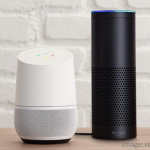
Smart speakers in the home, like Amazon Echo or Google Home, are rarely used by a single person, which makes tension and discomfort unavoidable. Some situations may leak private information, in other situations, smart speakers interrupt conversations or even cause havoc due to misunderstood requests. The goal of this wider project is to understand where smart speakers cause discomfort in multi-user spaces and which factors contribute to encounters being perceived as uncomfortable and awkward, to understand how we can prevent them.
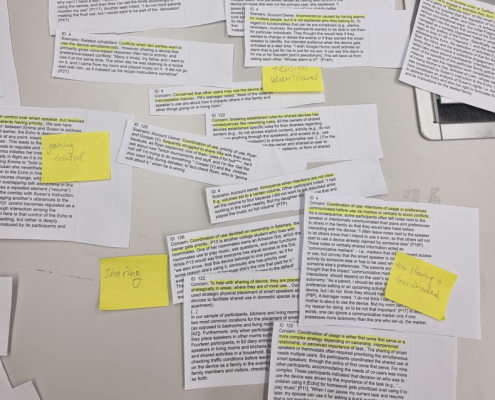
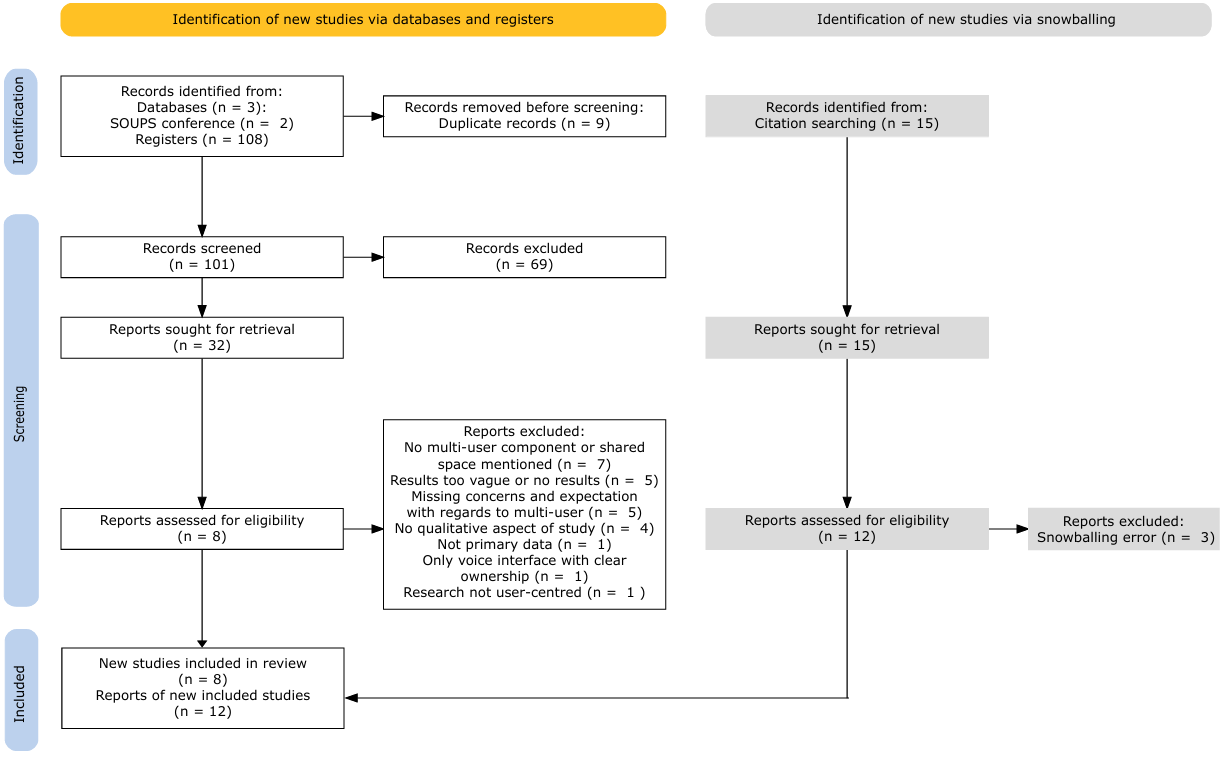
In a three-step process, we aim to first understand what such situations look like in the real world. To that end, we conduct a narrative review of qualitative research on shared smart speakers and extract any passages describing either a situation participants had encountered or a situation they were concerned about. In a high-level thematic analysis, we identified the types of situations users have encountered or expressed concerns about and the various user roles involved in a multi-user smart home.
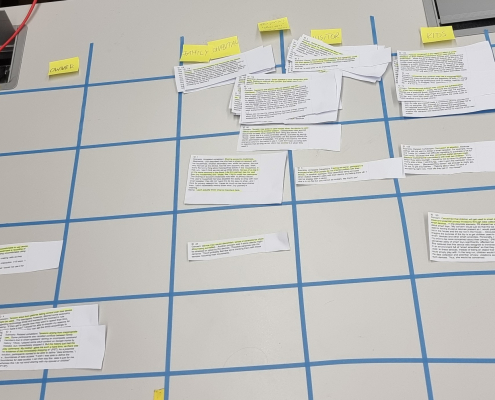
Following the narrative literature review, including only extracts describing uncomfortable or harmful scenarios, we created the framework FIDESSS for scenarios that caused discomfort by qualitatively coding the extracts and identifying characteristics of such situations and concerns. FIDESS defines encounters based on their interaction context, the involved people, and harms and can be applied to extract identifying attributes of any negative situations for investigation as well as to construct realistic, uncomfortable scenarios for research purposes.
The project successfully presents an overview of users’ real-world experiences with shared smart speakers and where sharing has caused clear discomfort and harm.
Collaborators: Rabia Yasa Kostas
Funder: UKRI Centre for Doctoral Training in Natural Language Processing
Project dates: 2020 – 2022