Public cultural heritage institutions are struggling with a surge of commercial AI scraping
Design Informatics ekip researchers have heard from dozens of people working in the cultural heritage sector across the US, EU, and UK about the fast-moving challenges of commercial AI scraping on galleries, libraries, archives and museums. Affected institutions in the study are experiencing bot activity functionally indistinguishable from a coordinated cyberattack.
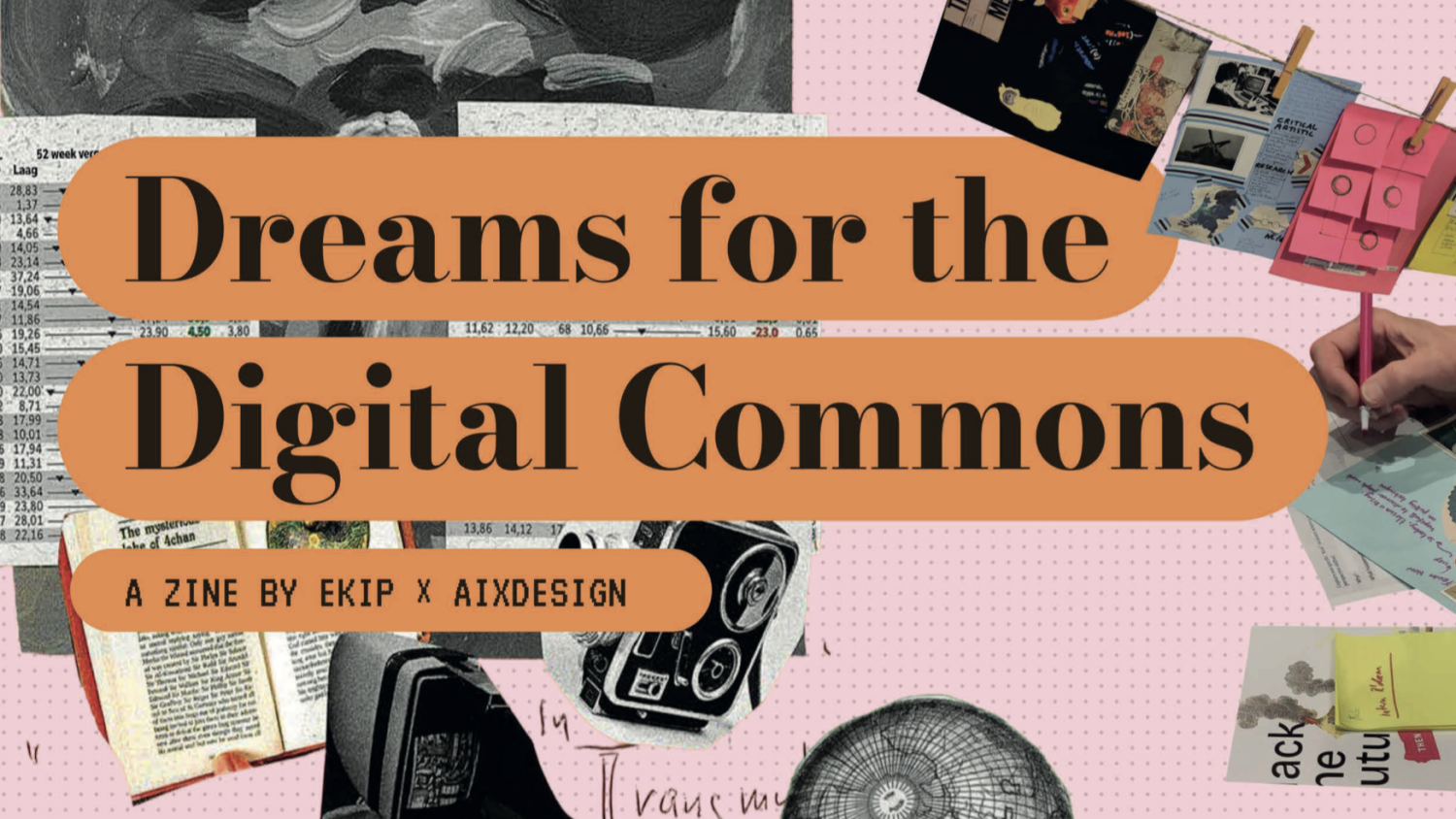
The research team has published a white paper (Re:Commons: Renewing the Digital Commons for Cultural Heritage), a zine (Dreams of the Digital Commons) and two policy responses address related policy challenges: one on the impact of AI scraping bots on the gallery, library, archives and museum (GLAM) sector, the other on copyright environment for cultural heritage institutions in relation to scraping by AI companies.
The team argues that current regulatory frameworks do not yet balance the needs of the cultural heritage sector with those of the AI industry. That imbalance matters. Much of the infrastructure affected by scraping is publicly funded. Yet the value extracted from it often flows to private companies, without consent, attribution or remuneration. University of Edinburgh’s research reports and policy submissions linked above advocate for the cultural heritage sector to have a meaningful say in whether, when and how bots access their online collections and for public support to offset the costs of commercial AI scraping.
Publication Details
McDonald, C., Currie, M., Dal Molin, L., Osborne, N., talley, . anna ., Senkić, M., & Volk, J. (2026). Re:Commons: Renewing the Digital Commons for Cultural Heritage. Zenodo. https://doi.org/10.5281/zenodo.23397333
Currie, M., McDonald, C., Volk, J., Dal Molin, L., Senkić, M., talley, . anna ., Piet, N., & Marques, A. (2026). Dreams for the Digital Commons. Zenodo. https://doi.org/10.5281/zenodo.23390362