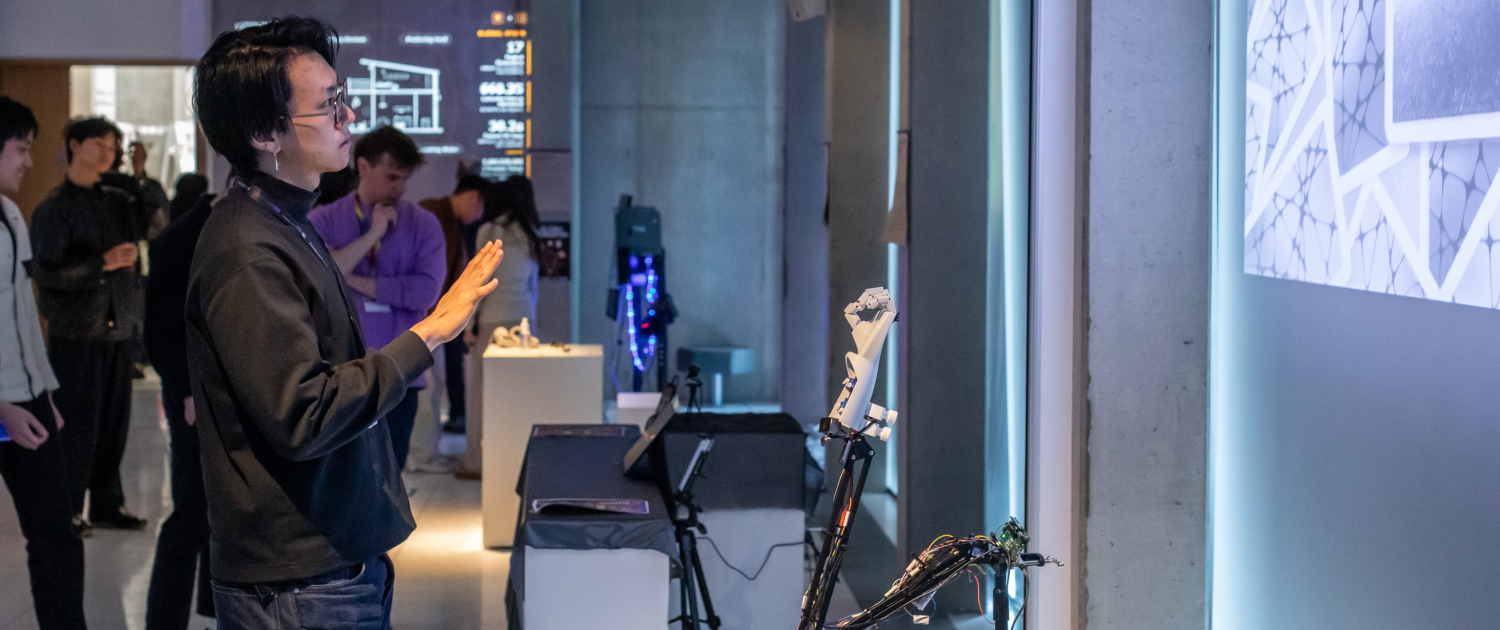
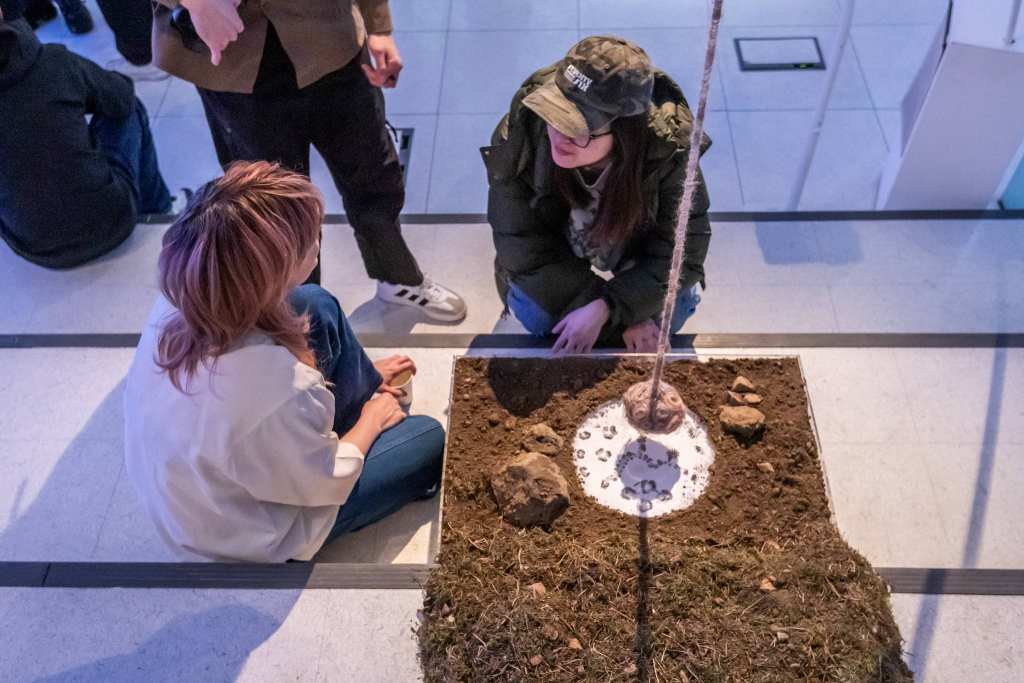
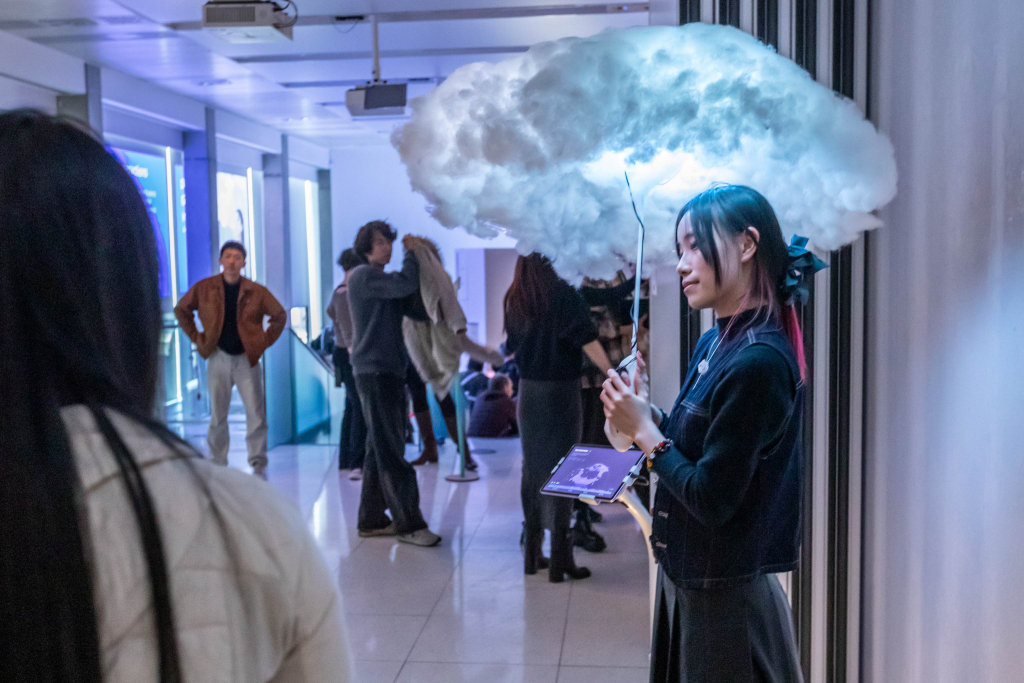
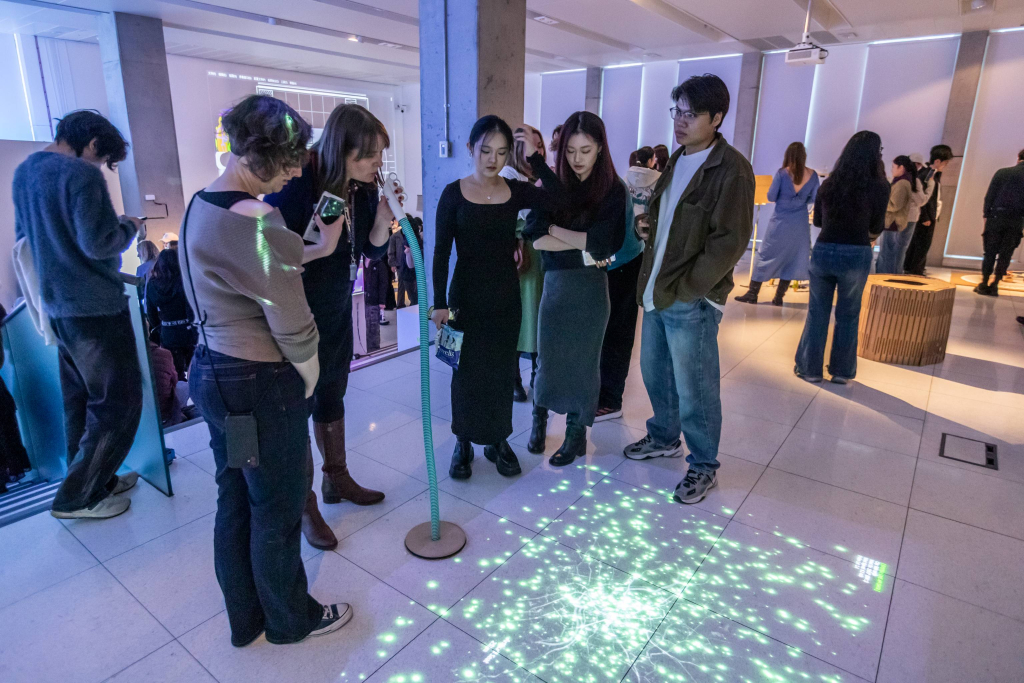
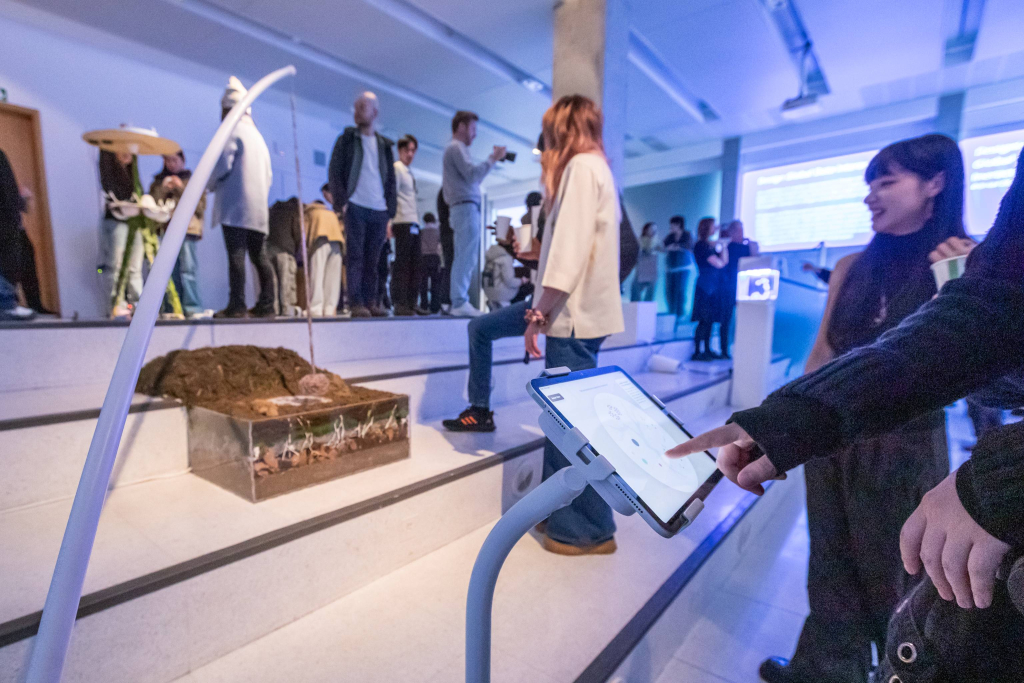
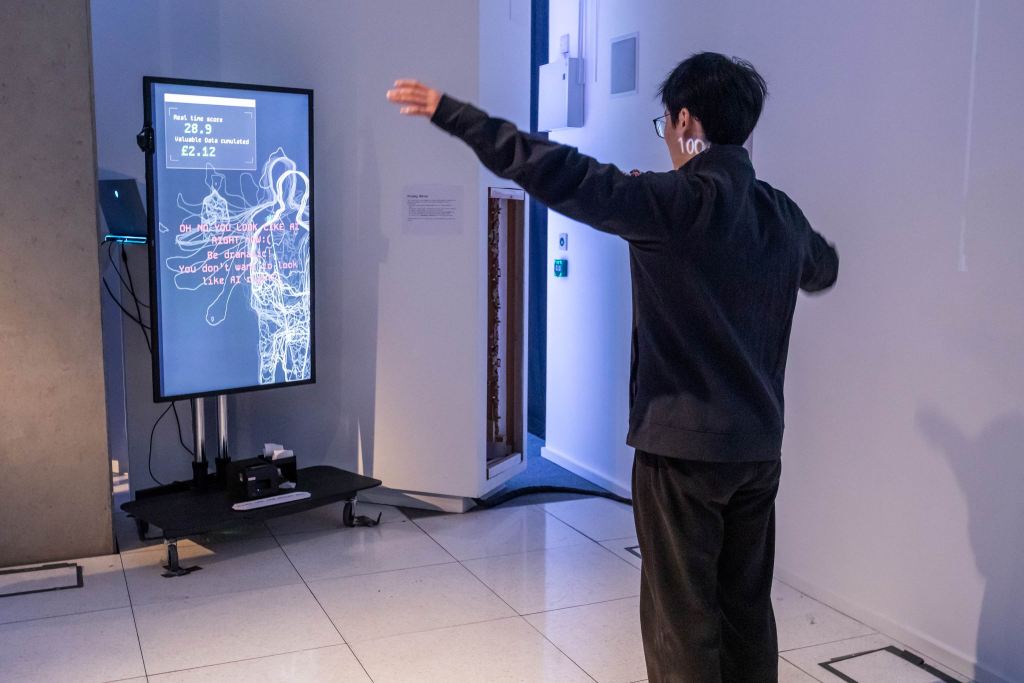
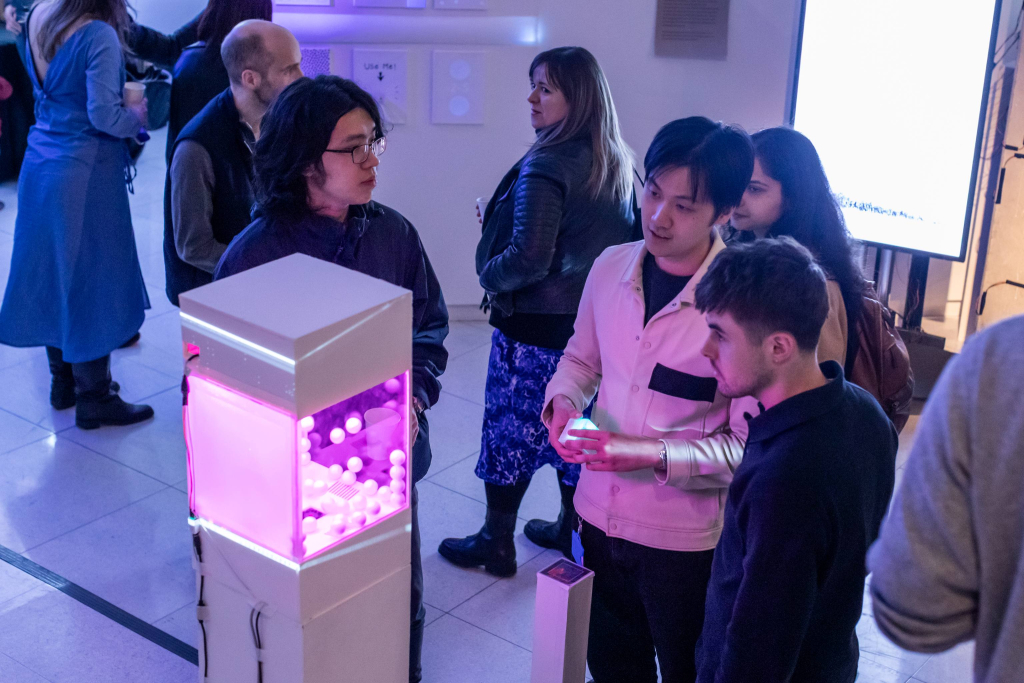
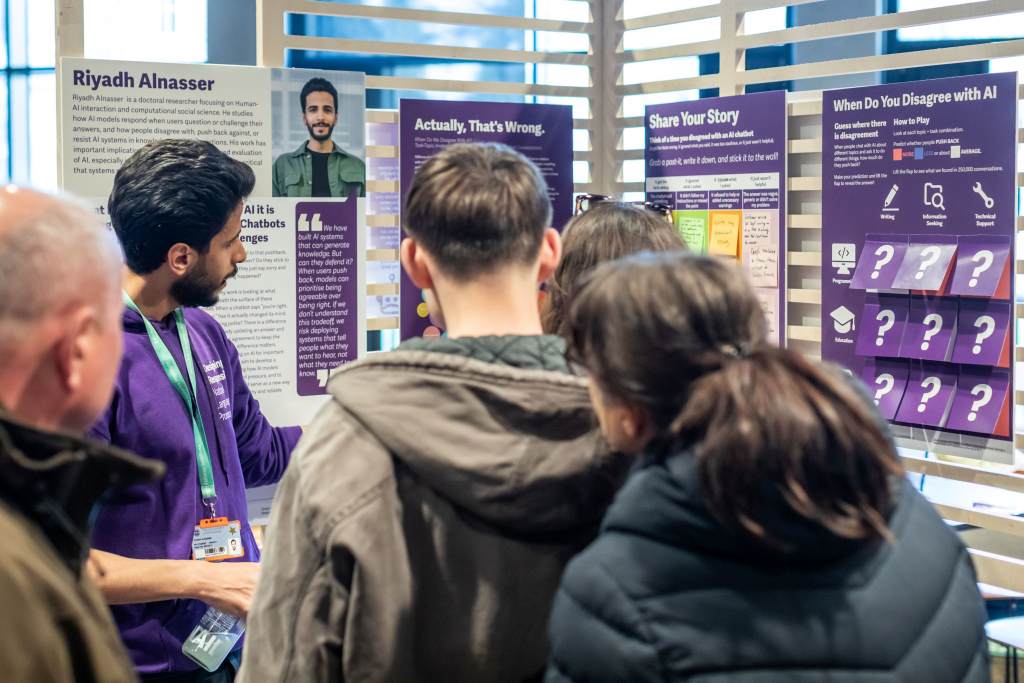
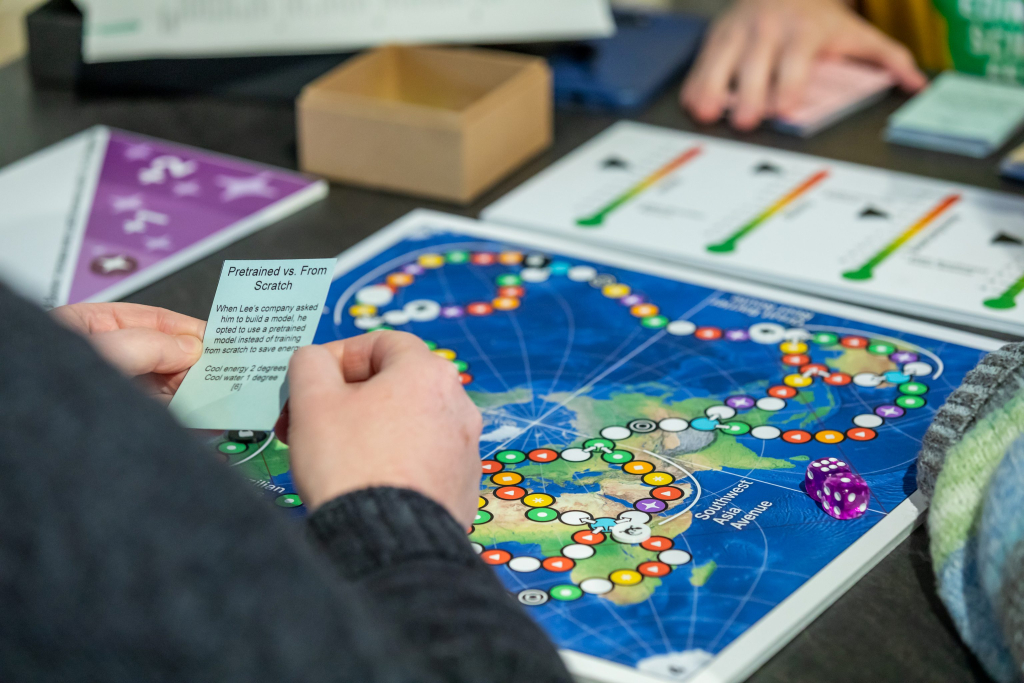
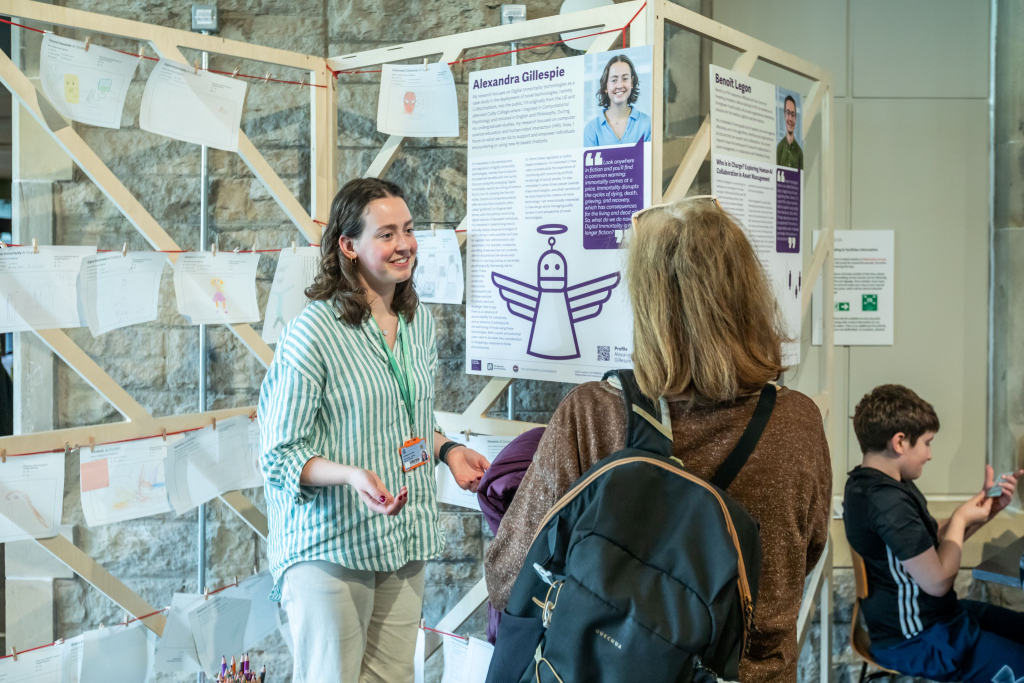
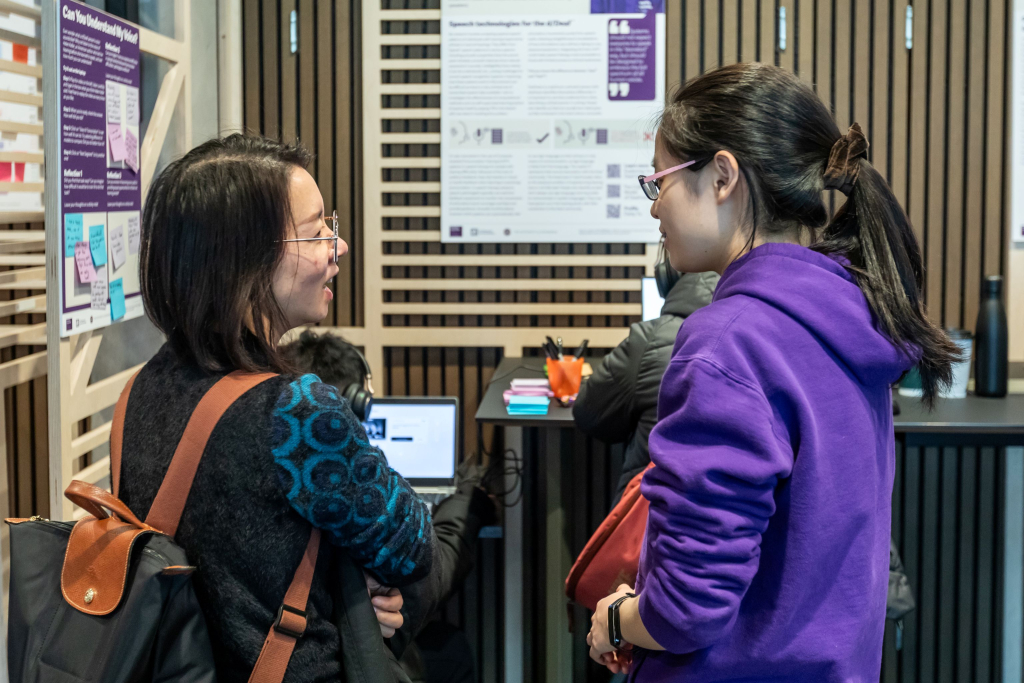
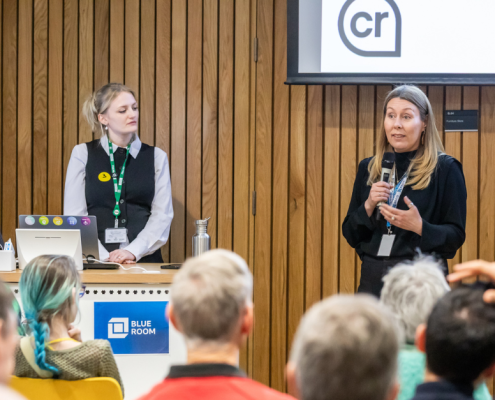
On Friday 10th April, 15 PhD students from our Designing Responsible Natural Language Processing (NLP) Centre for Doctoral Training Centre shared their work with a diverse audience of over 300 visitors to the AI for All: Designing Responsibly 2026 exhibition at the Edinburgh Science Festival. This annual event is an opportunity for our students to share their emerging NLP research – and demystify AI – for a public audience, and we were delighted to see so many people along, including a huge number of families with young children.
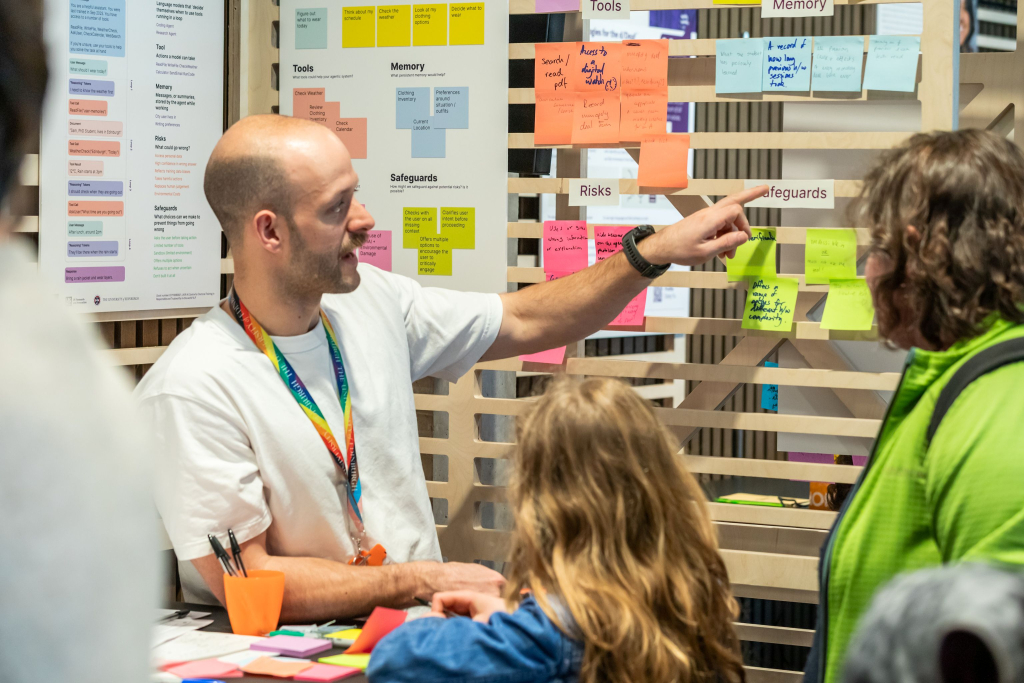
Visitors had a huge range of exhibits to explore, including posters, interactive displays, drawing activities and a fully-fledged board game! Our students asked our visitors to think about times they have disagreed with an AI chatbot – and what happened when they did; to imagine frameworks for AI to make good decisions in an uncertain world; and to consider AI in education – and whether they would trust an AI tutor with their child. They could learn about how Large Language Models (LLMs) like ChatGPT, Claude and Gemini “see” video content to make sense of it; to explore how LLMs get lost in conversations – and make mistakes; and to hear how voice cloning technologies can imitate or edit specific regional accents. And visitors of every age could explore what factors might make for an effective AI agent to support better workflows – whether planning the process of buying a birthday present or undertaking a much more complex tasks like lesson planning.
Our younger visitors flocked to vote with pom poms on the confidence of LLM answers; to draw what they imagined when engaging with an AI chatbot (with adults encouraged to particularly think about how they envision AI chatbots with deceased love ones); to try their hand at transcribing deaf speech – and compare their skills to NLP solutions; to explore bias – and how NLP might best be able to interpret the hidden meanings in UK immigration discourse; and to design their own AI organisation (ethical, or evil!) using physical interfaces – and got to keep or share a receipt summarising their choices.
For our Cohort 2 students this was their first time engaging with the public in this way, but this year their preparation and development and exhibits had been supported by mentors from Cohort 1 – many of whom also joined us on the day, some showing their own work, some simply encouraging members of the public to find out more about trustworthy and responsible NLP. The CDT Festival will be back again at the Science Festival in 2027, when our 25 experienced PhD students will be joined by our newest cohort bringing an even wider range of explorations of ethical AI.