Rethinking Consent through Crafting
PhD project
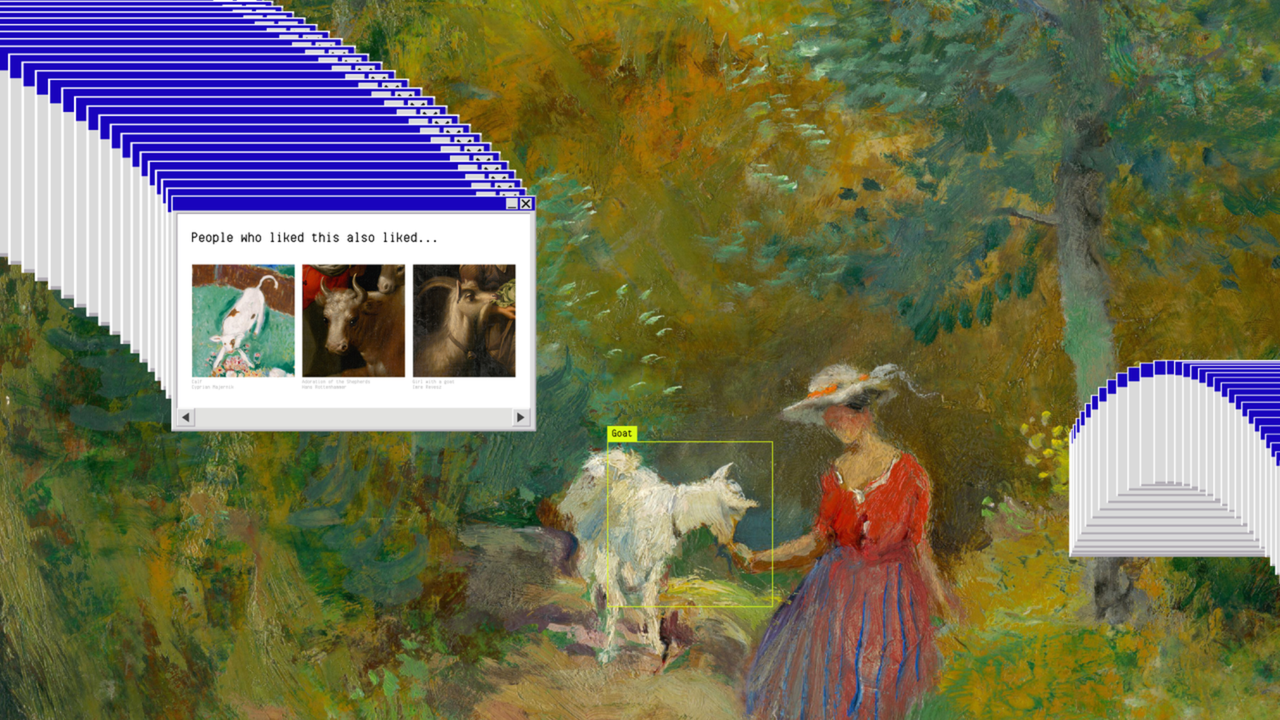
Image credits: Dominika Čupková & Archival Images of AI + AIxDESIGN / https://betterimagesofai.org / https://creativecommons.org/licenses/by/4.0/
PhD student:
Supervisors:
Tara Capel (Design Informatics, School of Informatics), Lachlan Urquhart (Design InformaticsEdinburgh Law School)
Outputs from this project
Forthcoming!
This project uses participatory, craft-based workshops to support people in reflecting on how consent works in data-driven environments and to explore what consent should protect in a world where information often affects more than one person at a time.
The workshops build on the larger research initiative Rethinking Consent in Light of Scientific and Technological Developments [link: https://www.uottawa.ca/faculty-law/common-law/news/rethinking-consent-professor-bailey-explores-alternatives-ai-big-data], led by Professor Jane Bailey at the University of Ottawa and Dr Jacquelyn Burkell at Western University. Their project examines why individual informed consent (IIC) has become inadequate as a foundation for privacy governance. Modern data practices allow information to be combined, repurposed, and analysed in ways that affect both individuals and groups. This creates new risks for communities, especially those already subject to disproportionate surveillance and discrimination. The wider research programme brings together legal scholars, technologists, and civil society partners to map alternative approaches to consent, gather lived experiences across Canada, and convene deliberative dialogues that support more just and accountable policy design.
Working alongside this broader project, the Rethinking Consent through Crafting project invites participants in Edinburgh, Scotland, and Ottawa, Canada, to respond to speculative scenarios by crafting small artefacts. These scenarios encourage people to think about situations where one person’s decision to share data may affect others, where technologies can infer sensitive information that was never deliberately given, or where group-level harms become possible. Crafting offers a slow and material way for participants to think through these concerns and to express ideas that might not surface through verbal discussion alone.
These findings from this project will help support a fuller understanding of public perspectives on privacy, shared responsibility, and data governance in an era of rapid technological change.
Collaborators: Jacquelyn Burkell (University of Western Ontario); Jane Bailey (University of Ottawa)
Funder: UKRI Centre for Doctoral Training in Responsible and Trustworthy in-the-world Natural Language Processing.
Project dates: 2025 –